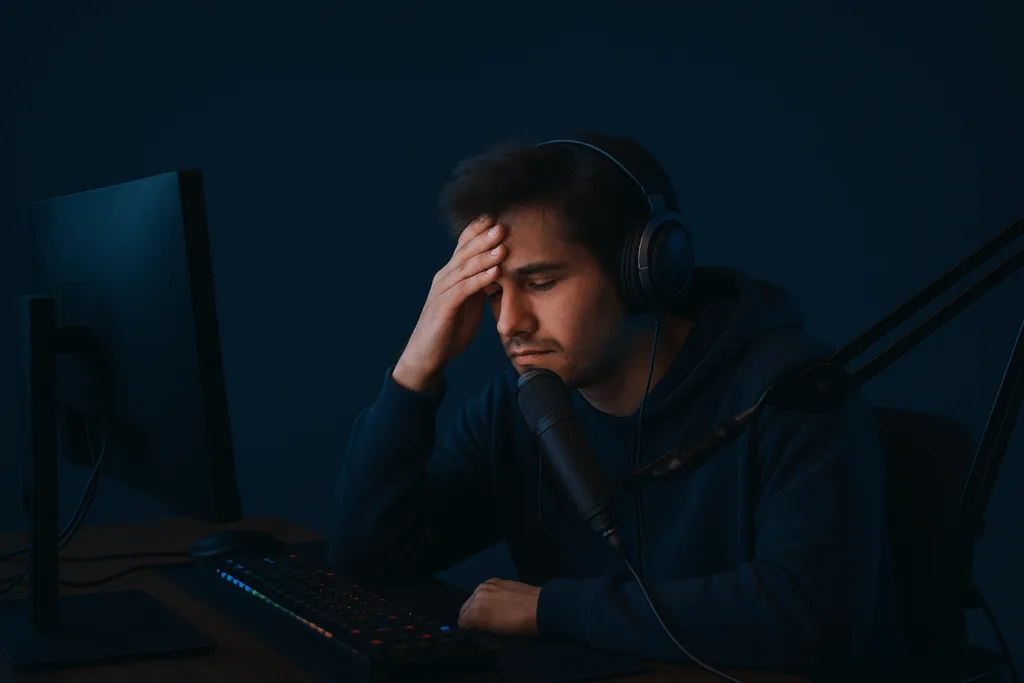
The Harsh Reality of Being a Streamer – What They Don’t Tell You
10 Reasons streaming isn't as easy as you think it is...
Becoming a streamer might seem like the ultimate dream job: play games, chat with viewers, rake in money, and maybe even get sponsored by a gaming chair company. Sounds like a win, right? But behind every viral clip and subathon lies a grind that can chew you up and spit you out faster than you can say “don’t forget to like and subscribe.”
Whether you’re eyeing Twitch, trying to build an empire on YouTube, or testing the waters on KICK, the path to streaming success is rarely as smooth as it looks. Let’s pull back the curtain and dive into the harsh reality of being a streamer.
1. Oversaturation – Everyone’s Got a Webcam
Streaming exploded during lockdowns, and it never looked back. Today, there are millions of active streamers across Twitch, YouTube, and Kick, all fighting for eyeballs. Unless you’re a pro gamer, a comedian, or just insanely good at chatting with strangers, it’s easy to get lost in the digital crowd.
On Twitch, even getting a handful of viewers can take months. YouTube’s algorithm might occasionally bless you, but you’re still competing with highly produced content. And while KICK offers better payout rates, it’s a newer platform with its own discoverability hurdles.
2. THE BIG ONE – Money £££
Let’s talk money. If you think you’ll go live and earn £1,000 in your first month, you’re in for a rough awakening. Most streamers earn less than minimum wage, even after months (or years) of consistent effort.
Revenue sources include:
Subscriptions (Twitch / YouTube / KICK)
Ad revenue (low unless you’re huge)
Donations and tips (inconsistent)
Sponsorships and affiliate links (rare for small streamers)
Merch (if you’ve got a loyal fanbase)
Twitch takes a 50/50 split of subs unless you’re a Partner with better terms. YouTube takes 30%, and KICK, the new kid on the block, gives streamers a generous 95/5 split—but growing there isn’t easy unless you’re already known.
So, while KICK is streamer-friendly for monetisation, Twitch and YouTube still dominate for audience size. But again, no views = no income.
3. Burnout is Real
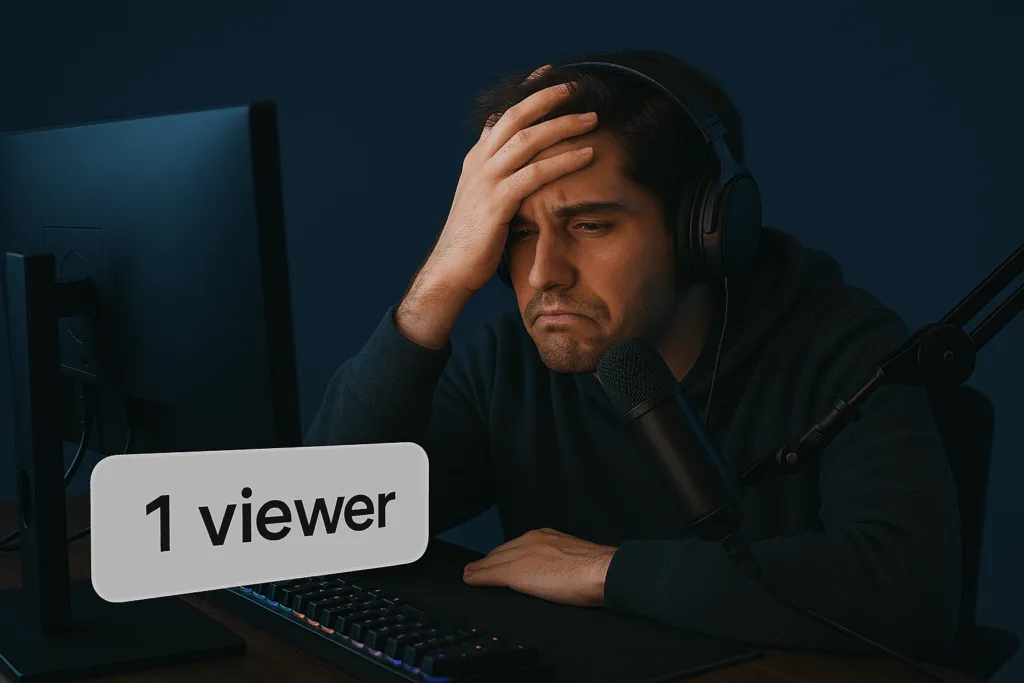
You’re “just playing games,” right? Well, imagine doing that for six hours a night, five days a week, while trying to be entertaining, energetic, and interactive… all while getting one viewer. (Thanks, mum.)
Burnout hits hard, especially when you’re juggling streaming with a full-time job or school. Constant content creation, maintaining social media, editing VODs, and engaging with your community is a lot. The hustle doesn’t stop when the camera does.
Common causes of streamer burnout:
Inconsistent or no growth
Pressure to stream every day
Comparing yourself to bigger streamers
Toxic chat interactions
Lack of real-life balance
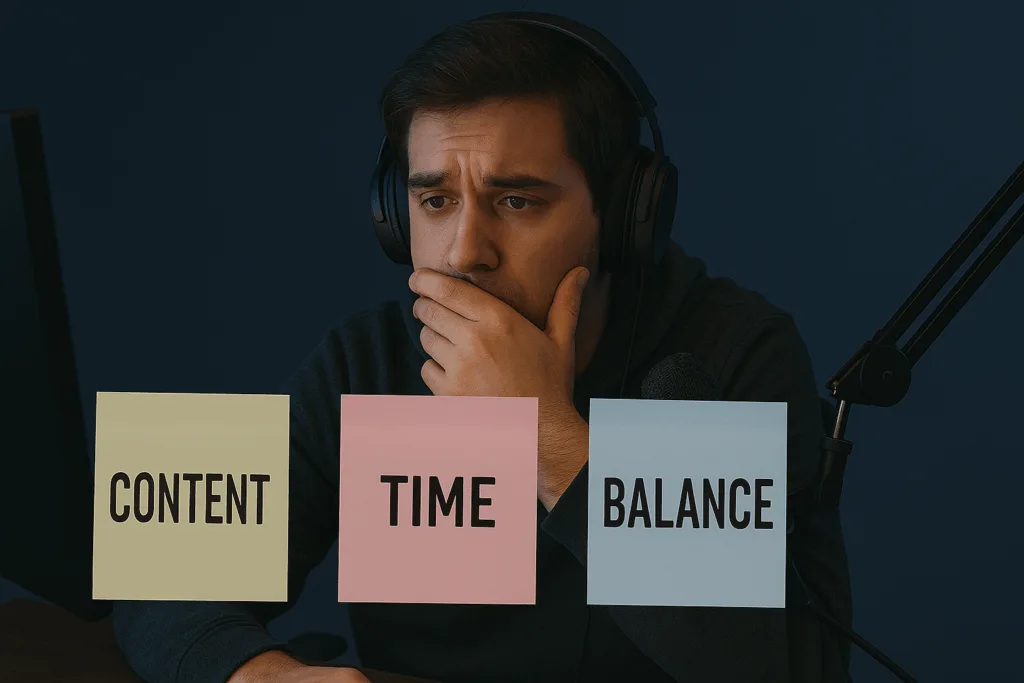
4. You’re a One-Person Content Machine
In the early days, you’re the streamer, editor, thumbnail designer, social media manager, graphic designer, and sometimes even your own mod. Without a team (or budget), everything falls on you.
Creating highlight clips, uploading to YouTube Shorts or TikTok, managing Discord servers, answering DMs, keeping your OBS settings from melting—it’s a juggling act. And it’s exhausting.
If you’re not creating content outside of your live streams, your growth will be painfully slow. This is especially true on Twitch, where discoverability is nearly nonexistent for small streamers unless you’re promoting yourself elsewhere.
5. Viewer Growth is a Mystery Wrapped in an Algorithm
So you’ve been streaming regularly, your content is decent, and your mic doesn’t sound like a potato. Why aren’t people finding you?
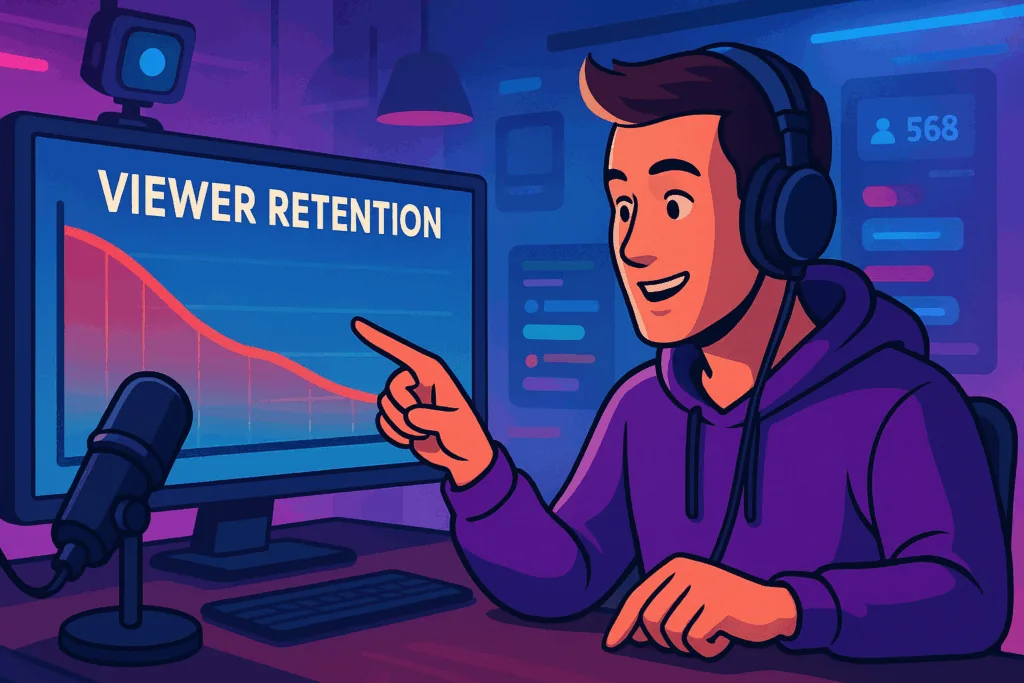
Welcome to the world of algorithm roulette. On YouTube, your streams and VODs can get buried if you’re not nailing thumbnails, titles, and keywords. On Twitch, you’re just another name on a long list of live channels. And KICK? Still finding its footing with discoverability tools.
Without clips going viral or your content being shared, growth is slow and often discouraging.
6. Chat Can Be… Wild
Interacting with chat is a big part of streaming, and sometimes it’s amazing. But internet anonymity can bring out the worst in people. Trolls, harassment, spam, and just plain weird comments are par for the course.
New streamers often don’t have mods, so you’re stuck dealing with toxic behaviour live while trying to stay cool and composed. And if you’re part of a marginalised group, the abuse can be even worse.
7. Platform Dependence is Risky
Relying too heavily on any one platform is a gamble. Twitch could change its Partner terms. YouTube might demonetise your channel. KICK could disappear entirely.
We’ve already seen Twitch tweak its revenue model multiple times, and YouTube’s strict content rules have ended creators’ careers. That’s why smart streamers diversify their income—Patreon, courses, YouTube videos, merch stores, sponsorships, and more.
Never put all your eggs in one basket.
8. The Mental Toll of Low Viewership
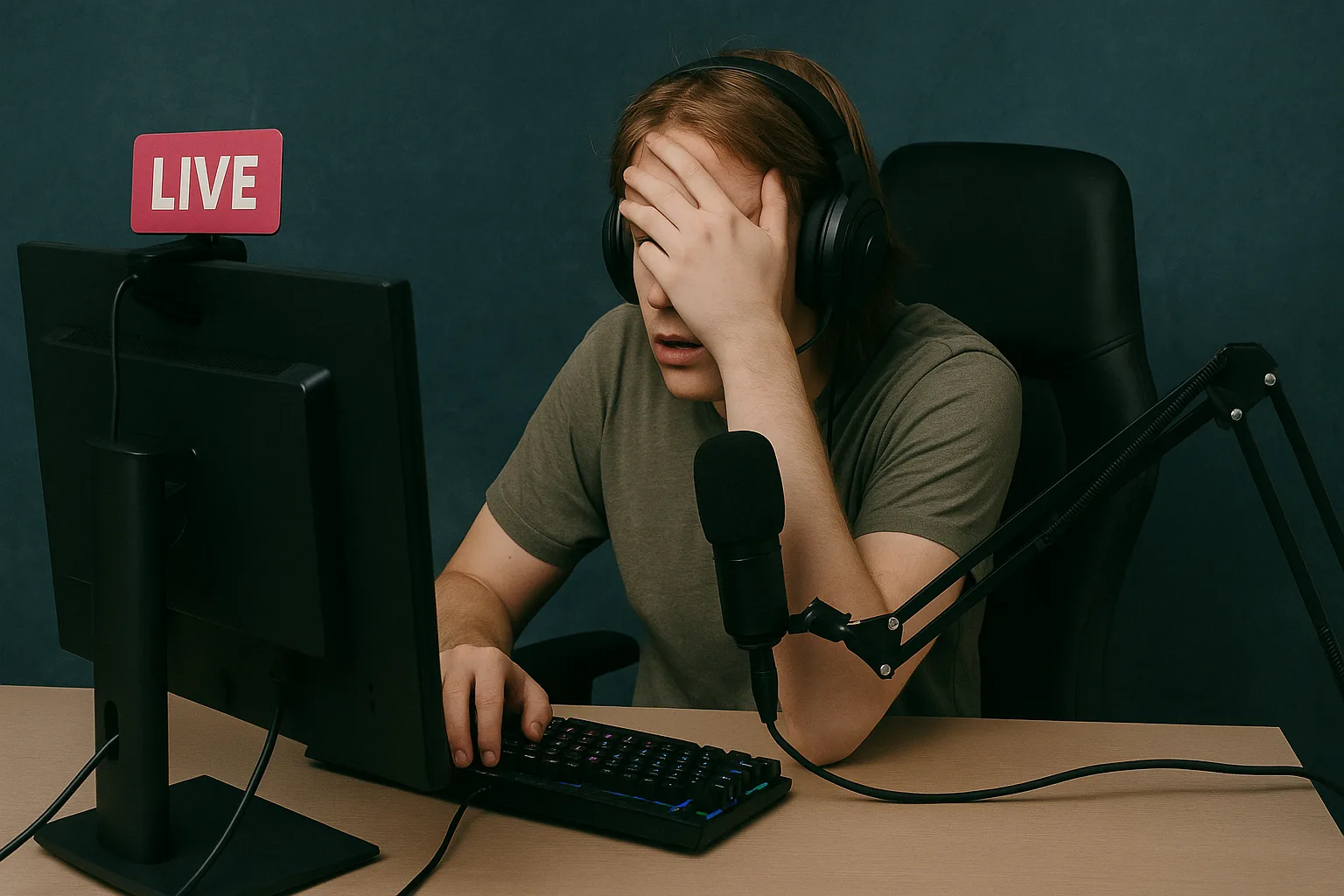
Imagine spending hours preparing for a stream, going live, and seeing that same lonely “1 viewer” for the entire session. It’s demoralising, and it happens to almost everyone starting out.
The psychological impact of constantly feeling ignored or unsuccessful can’t be overstated. Many streamers begin questioning their content, personality, or even their worth. This leads to self-doubt, stress, and sometimes walking away from streaming altogether.
9. Comparison is the Thief of Joy
You’ll inevitably start comparing yourself to big streamers—why is their chat so lively? Why do they get 500 subs from doing less? Why did they blow up and not me?
But streaming success is never linear, and often boils down to a mix of timing, niche, consistency, personality, and a hefty dose of luck.
Focus on your own lane. Learn. Adapt. Experiment. But don’t beat yourself up for not being the next Ludwig or Valkyrae by next Tuesday.
10. It’s Still Worth Doing (If You Love It)
Alright, enough of the doom and gloom. Yes, being a streamer is tough. But if you genuinely enjoy the process—connecting with people, sharing your passion, making content—there’s still joy to be found.
You don’t need 1,000 subs to have a meaningful stream. Some of the best moments come from laughing with a handful of regulars, building a small but loyal community, or finally nailing that boss fight live on camera.
Just go in with realistic expectations, protect your mental health, and treat it as a creative outlet first. If success follows, brilliant. If not, at least you had fun.
Final Thoughts
Streaming on Twitch, YouTube, or KICK is far more than hitting “Go Live.” It’s a full-time grind that demands skill, patience, personality, and stamina. While the dream of becoming the next big content creator is still alive, it’s important to recognise the harsh realities behind the screen.
Stay grounded, stay consistent, and most importantly—stay you.