Scuf Reflex FPS vs DualSense Edge – Which Pro PS5 Controller Is Right for You?
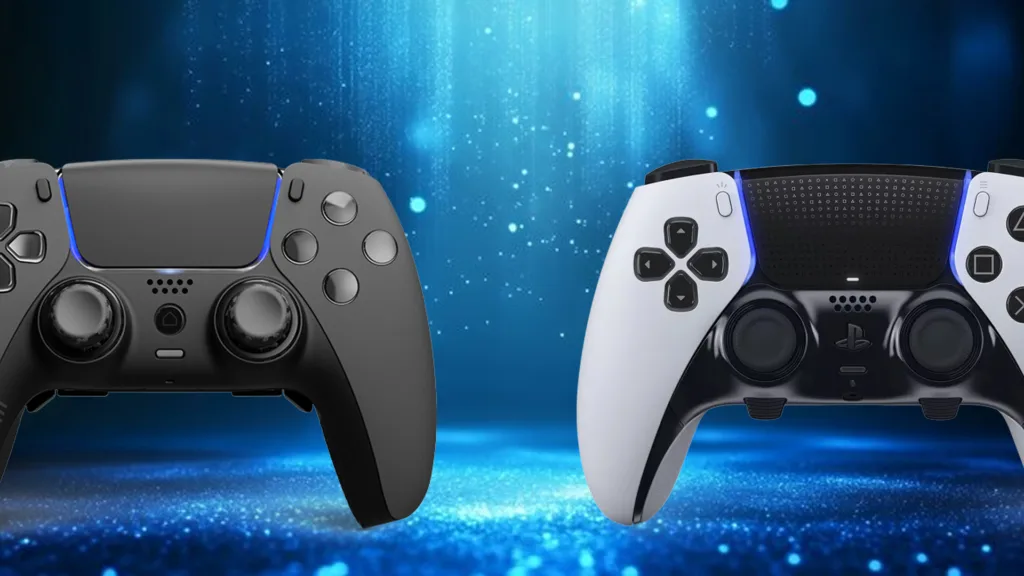
If you’re a serious PlayStation 5 gamer, you’ve probably asked yourself: Should I get the Scuf Reflex FPS or stick with Sony’s own DualSense Edge? These are two of the top-tier controllers aimed at competitive players, streamers, and anyone looking for that little extra edge (pun intended) in fast-paced games like Call of Duty, Fortnite, or Apex Legends.
Both controllers promise precision, performance, and personalisation—but which one delivers best for your playstyle? Let’s break it down.
Design & Build Quality
Scuf Reflex FPS
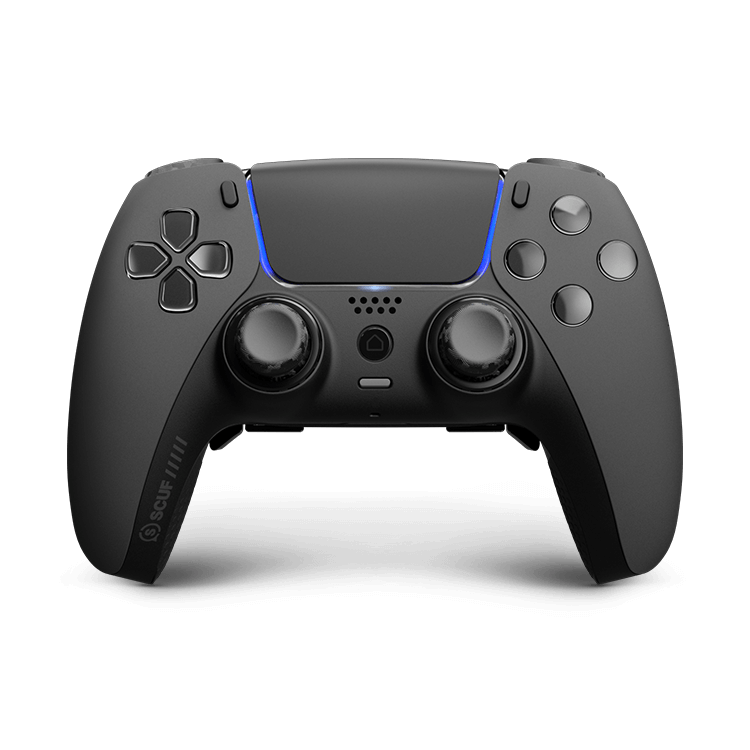
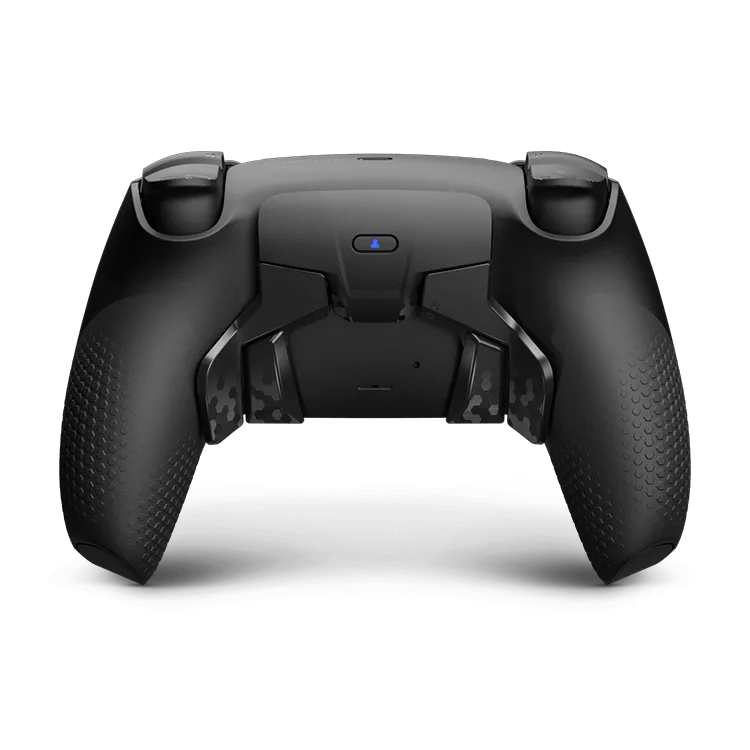
Right out of the box, the Scuf Reflex FPS screams premium. It looks like a slightly bulkier DualSense but comes with a customisable faceplate, textured grip, and four rear paddles. No adaptive triggers here, though—that’s intentional. The Reflex FPS is tailored for FPS players who want quick, crisp responses without any trigger resistance slowing them down.
DualSense Edge
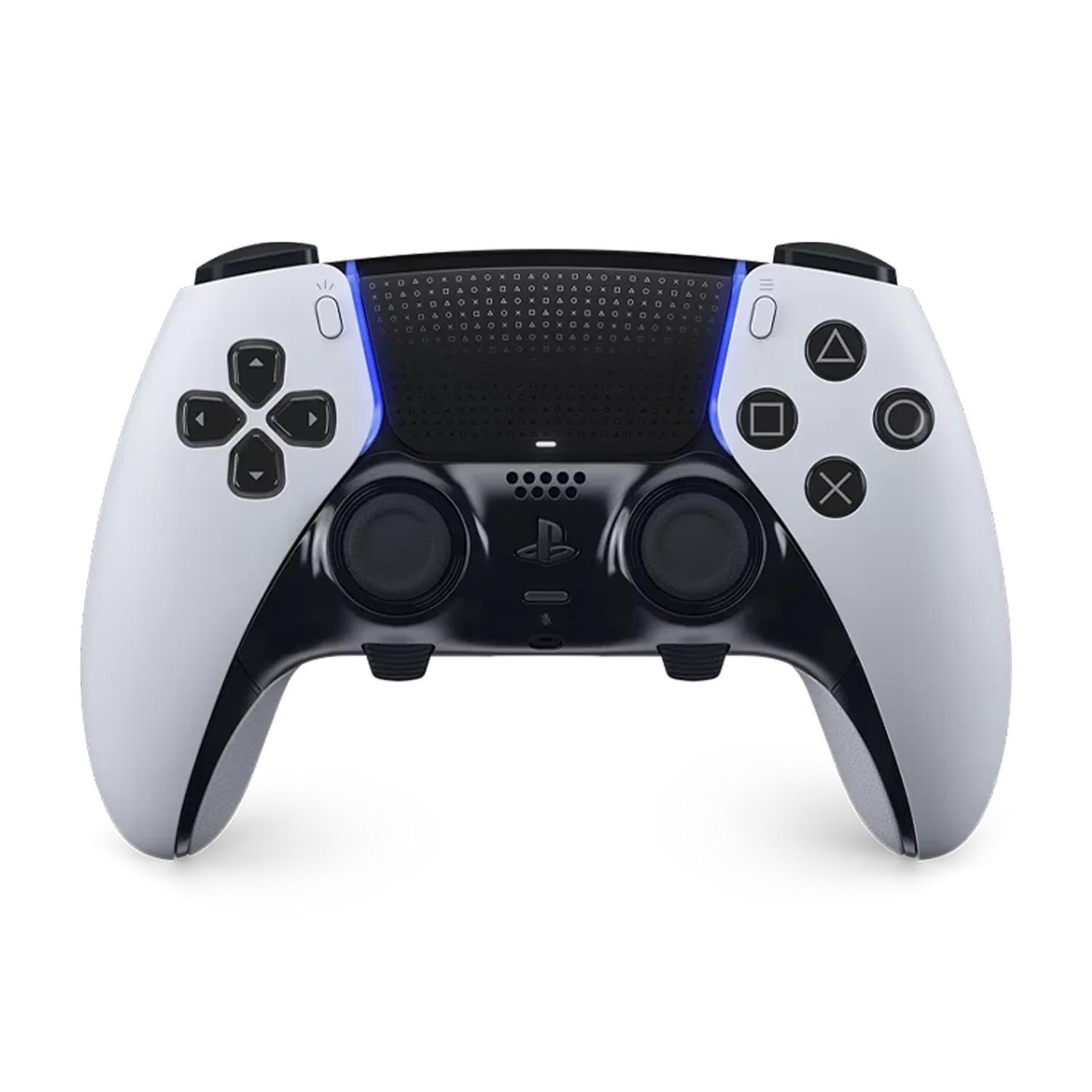
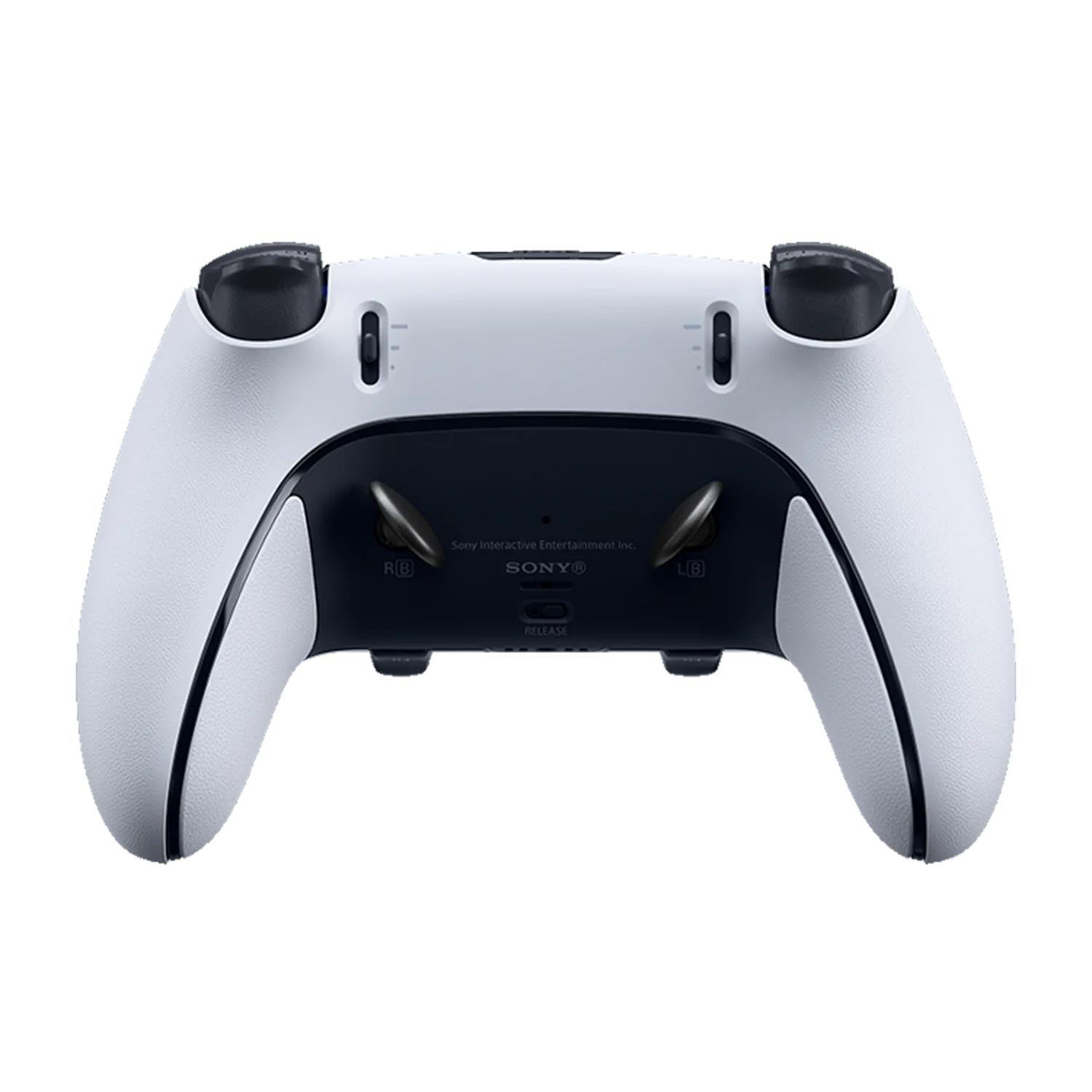
Sony’s DualSense Edge keeps the familiar feel of the standard controller but refines it with swappable stick modules, back buttons, and adjustable trigger stops. It’s solid, weighty, and undeniably Sony. It doesn’t feel quite as “gamer-chic” as the Scuf, but it’s slick, professional, and packed with smart design.
Performance & Features
Scuf Reflex FPS
Performance is where the Reflex FPS shines for fast-twitch shooters. The instant triggers simulate mouse clicks—ideal for games like Warzone or Valorant. The four back paddles are remappable on the fly, and while there’s no haptic feedback or adaptive trigger resistance, this is all about speed, not immersion.
Pros:
Mouse-click triggers = lightning-fast response
Rear paddles = fewer thumb-off-stick moments
Lightweight and grippy
Cons:
No rumble or haptics
Expensive with limited in-box extras
DualSense Edge
The DualSense Edge is all about balance. Want the immersive haptics? Keep them on. Need quicker reactions? Use the trigger stops. You can fine-tune stick sensitivity curves, create multiple profiles, and swap out stick modules to extend controller lifespan.
Pros:
Full PS5 feature support (haptics, mic, etc.)
Replaceable stick modules
Excellent customisation via PS5 settings
Cons:
Only two back buttons (vs Scuf’s four paddles)
Shorter battery life
Heavier than the standard DualSense
Price & Value
Let’s be real—neither of these are budget controllers.
Scuf Reflex FPS typically starts around £249.98, with added costs for colour customisation, Instant Triggers and non-drift thumbsticks.
DualSense Edge retails at £199.99, and includes a sturdy case, braided cable, swappable back-triggers and swappable stick caps.
If you want a complete experience out of the box, Sony offers better value. But if you’re purely focused on FPS performance and custom paddles, the SCUF might justify the extra few quid.
Who Should Buy What?
Choose the Scuf Reflex FPS if you:
Mainly play first-person shooters
Want mouse-click trigger response
Prefer four rear paddles for max control
Don’t care about haptics or rumble
Choose the DualSense Edge if you:
Play a mix of genres
Want full PS5 feature compatibility
Like adjusting stick response curves and profiles
Prefer a first-party, all-in-one controller
Long story short
The Scuf Reflex FPS is built like a Formula 1 car—lean, stripped-back, and made for one thing: speed. The DualSense Edge is more like a luxury sports saloon—stylish, comfortable, and versatile.
Both are excellent choices, but your decision should be based on your playstyle. If you’re all-in on competitive shooters, the Scuf gives you the edge. If you want the ultimate PlayStation-native controller with deep customisation and versatility, the DualSense Edge is hard to beat.